
About Julia
Artist Statement
Years ago, I was working on a life-sized painting of two girls that I couldn't get right. I kept reworking it, and it never resolved. Eventually I painted over the whole thing in white, reworked it — and from straight on, the canvas became a bed: white sheet across the top, red coverlet below. Turned horizontally, it became Undercover, the two girls hidden beneath the covers. It marked a turning point in my work.
Some years later, I developed severe vertigo. It took over my life-I had to leave my job, and for a long time I was too unsteady to move through the world with any ease. A practitioner eventually helped bring it under control, but the experience changed how I paint.
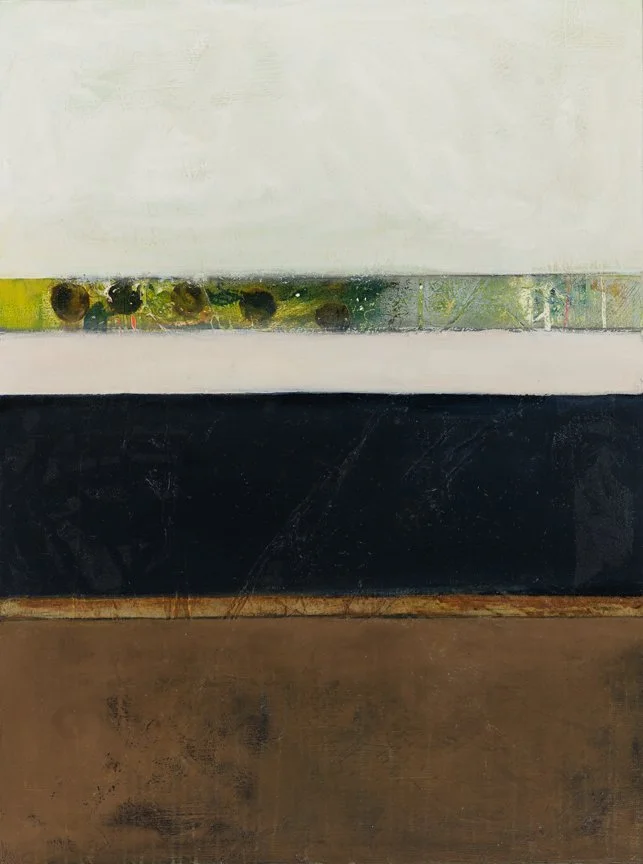
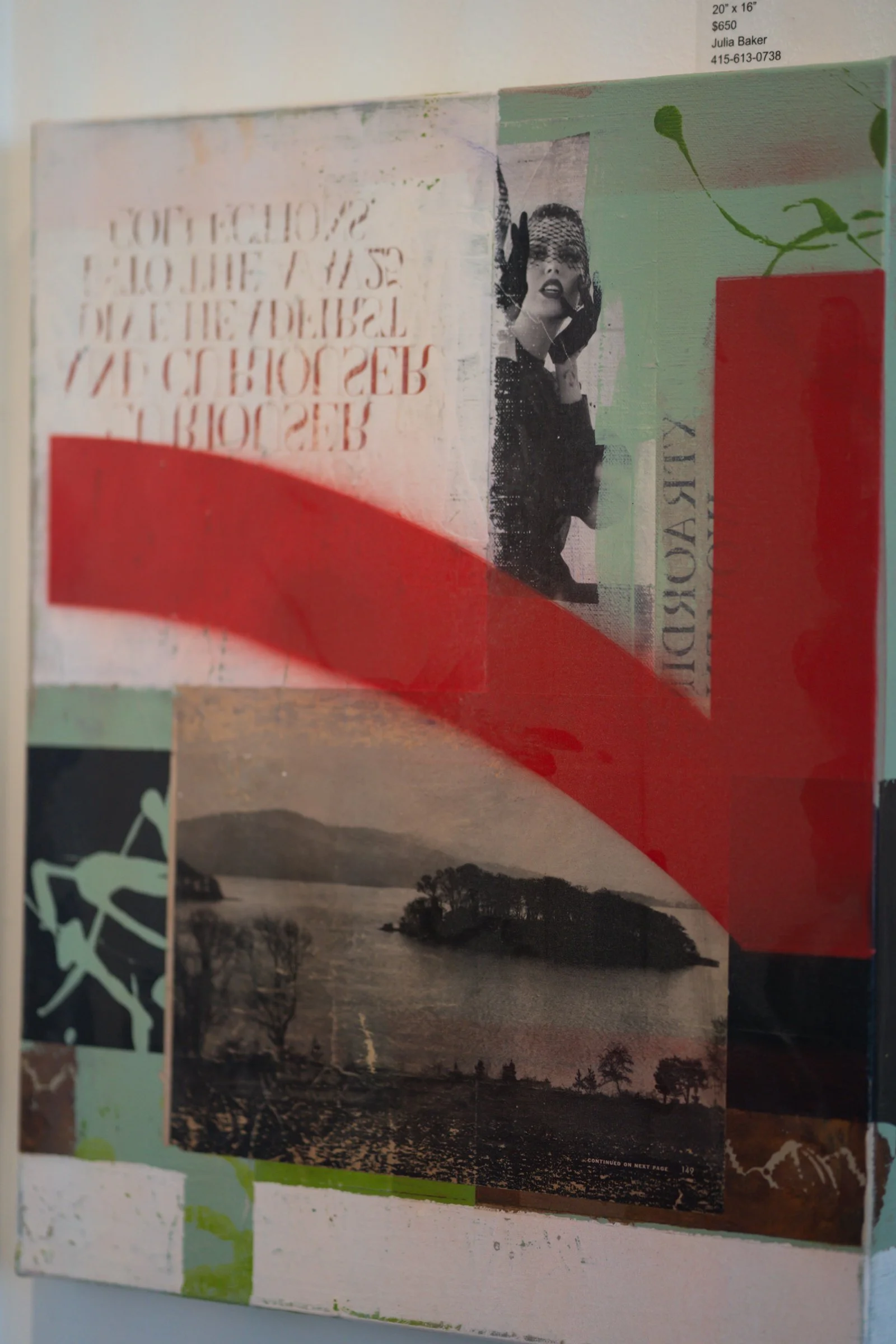
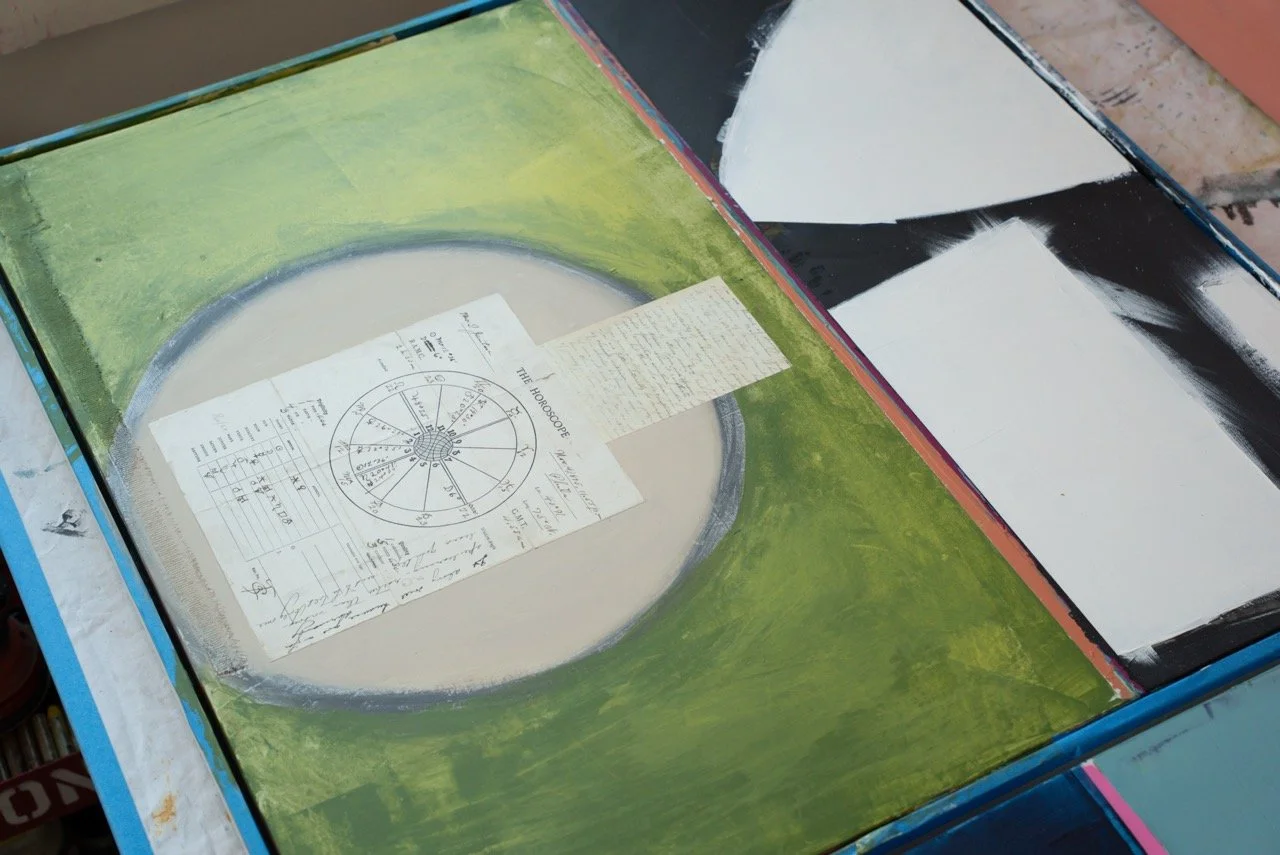
The vertical and horizontal lines that structure my canvases now come directly from that need for equilibrium — a single line, orienting me the way I orient myself, mentally, when the world tilts. Occasionally two lines meet as a cross, which isn't religious so much as human: it's the point where the material and the spiritual cross paths, where a person stands anchored to both the ground and something larger. And beneath the surface of most paintings are hidden layers — writing, photographs, collected ephemera — buried the way Undercover buried those two girls beneath the sheet. What's underneath still shapes what you see on top, even when it isn't visible.
My paintings are quiet because I need them to be. They're not about the world outside — they're how I find my way back to center.
Artist Bio
I grew up in a home where making things was second nature. My parents encouraged my sister and me to create from an early age — giving us the confidence to make rather than buy, introducing us to artists who became mentors, and surrounding us with beautiful objects and original work. Becoming an artist was never in question.
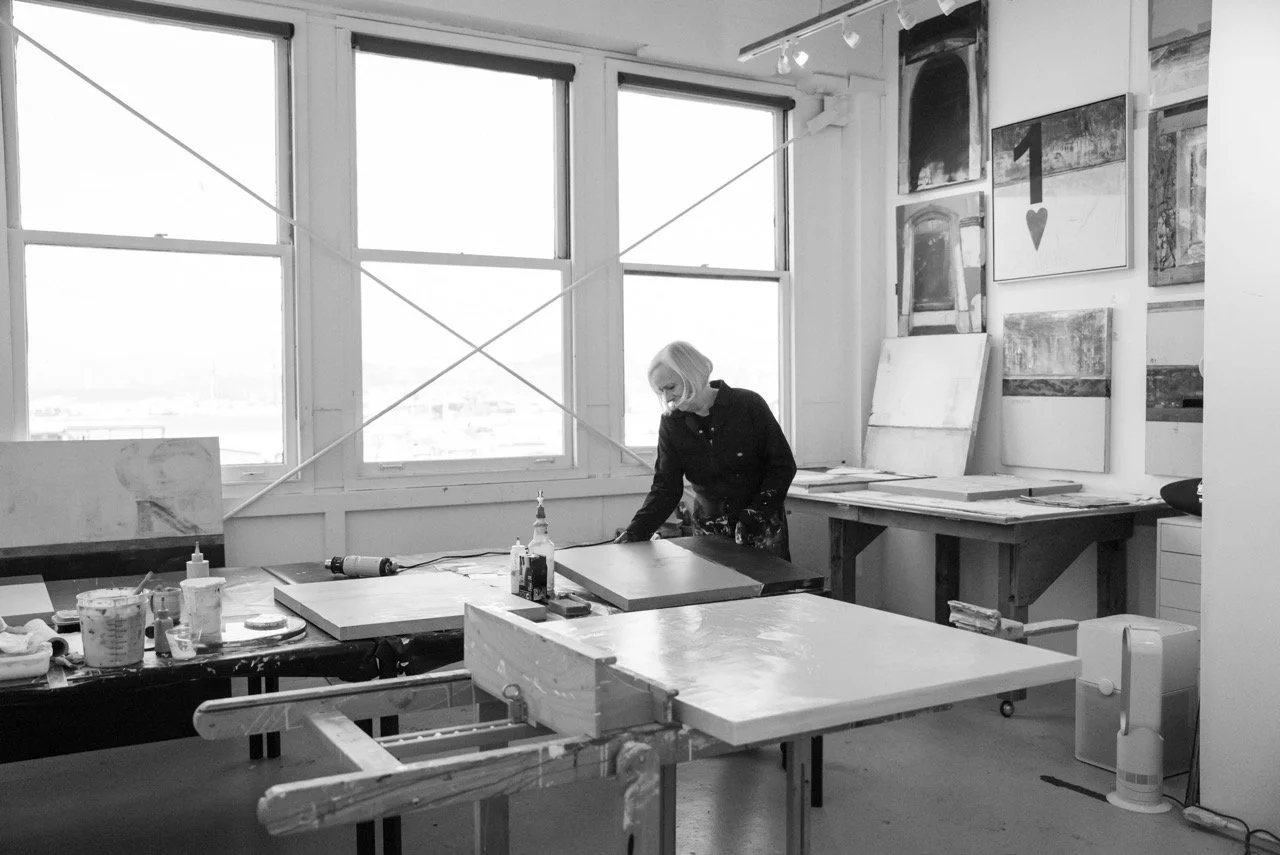
I earned a BFA in painting from UMass Amherst and have been working and showing in the San Francisco Bay Area for more than twenty-five years. My studio has been in Sausalito's ICB Building since 2023 — north-facing windows, soaring ceilings, three large work tables, and good music.
The path here was not a straight line. Everything along it contributed to what the paintings are now.
The Process
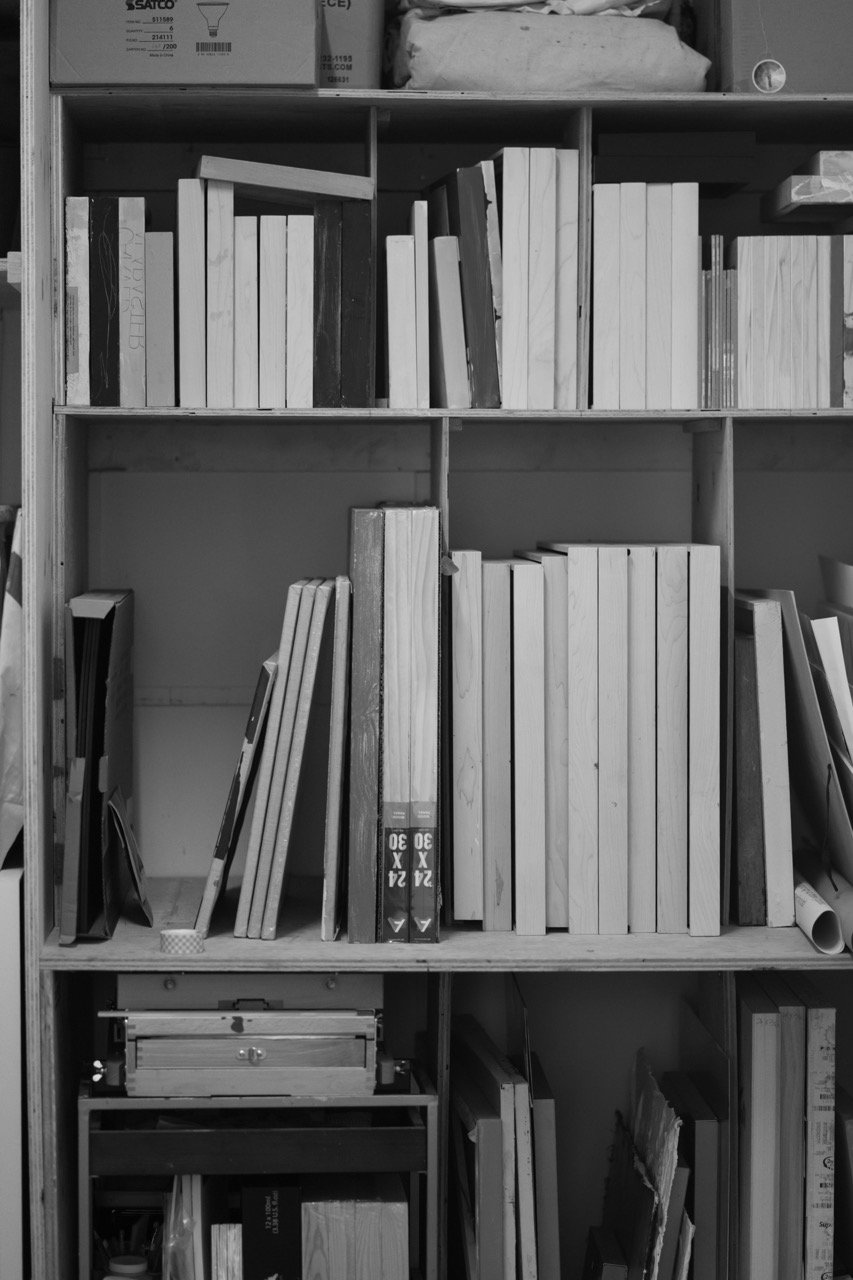
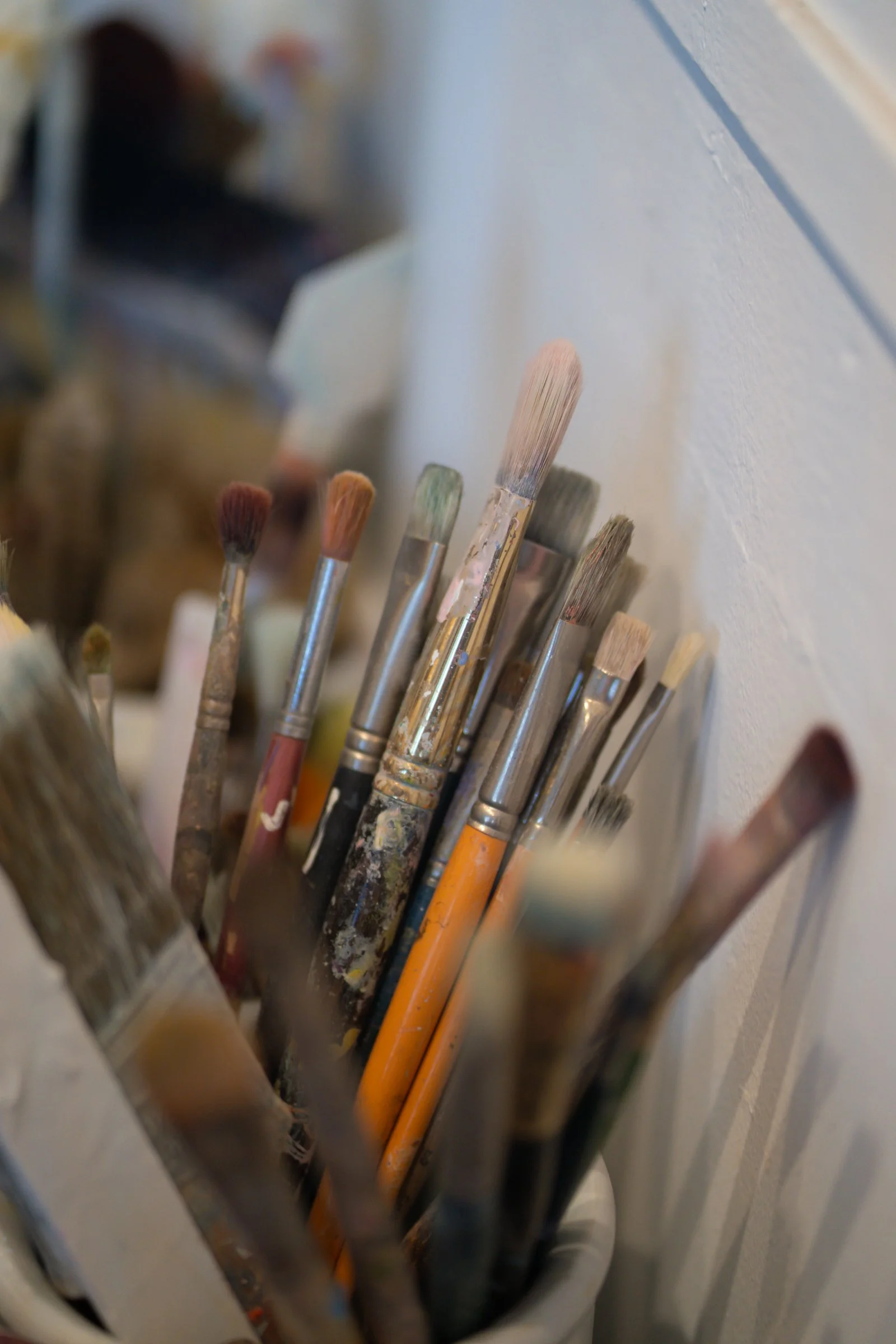
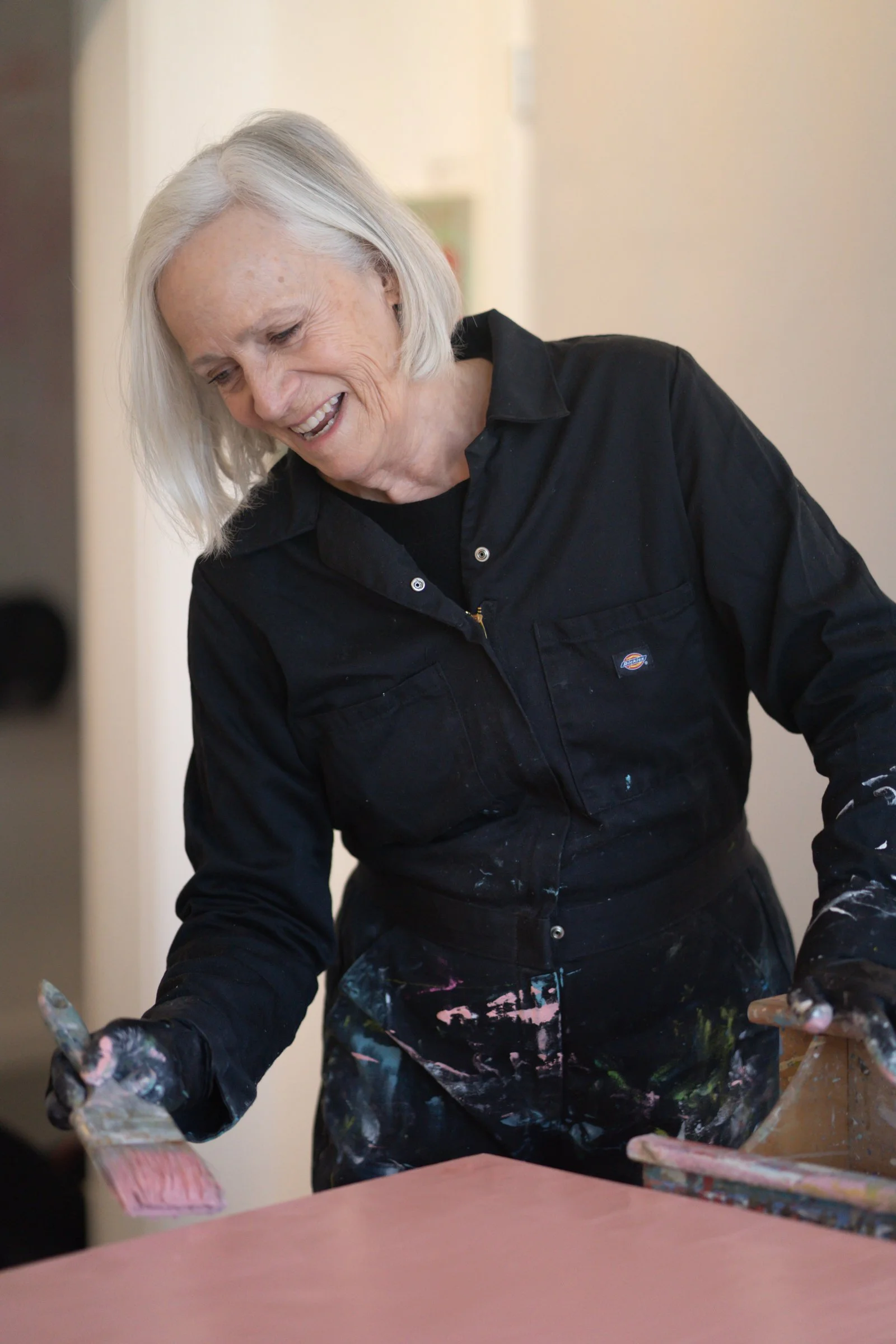
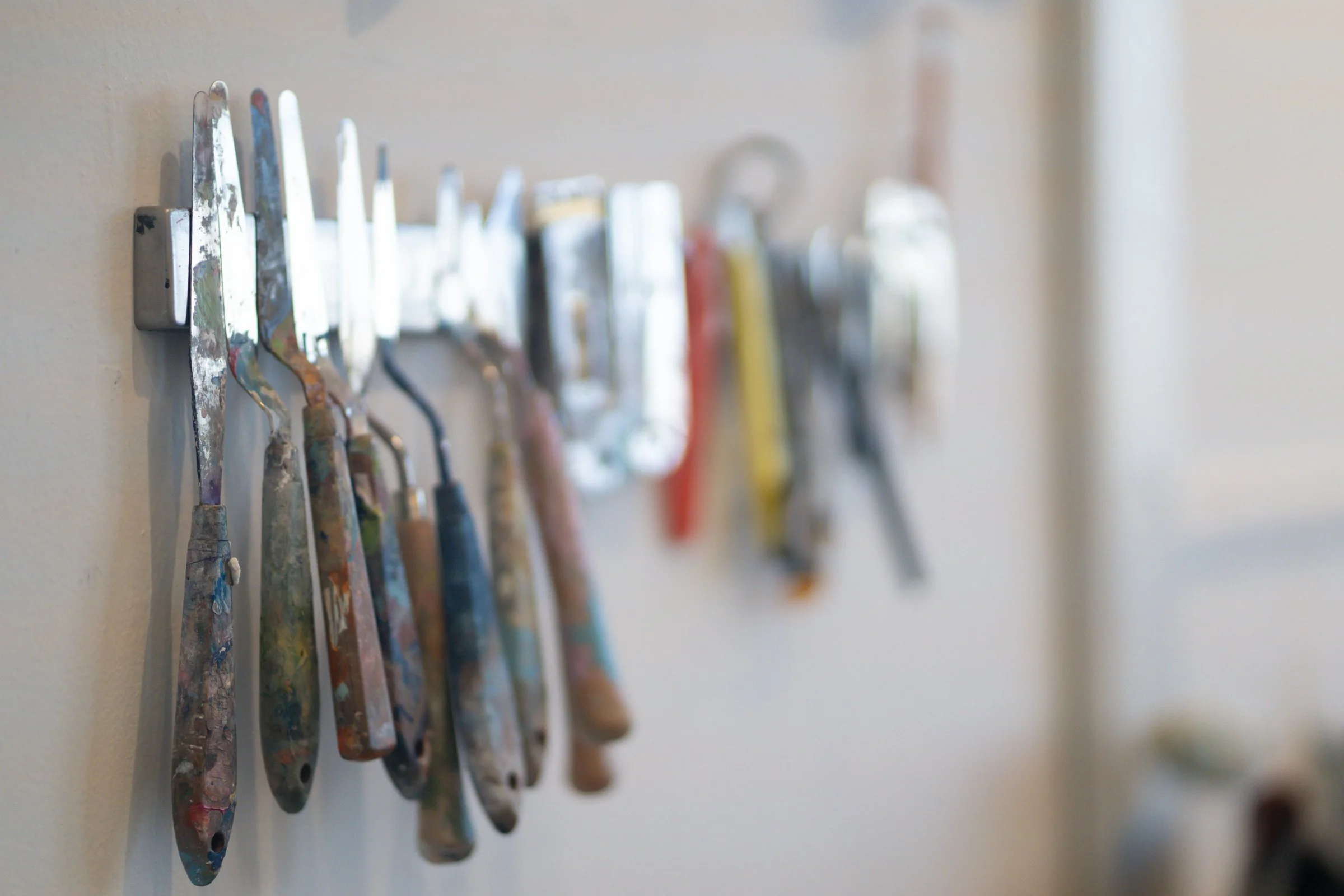
It starts with the studio. Everything organized, materials within reach, nothing left to chance. The space is intentionally minimal — white walls, north-facing windows, three large work tables. Good music, always. The room is prepared before the work begins, because the work requires it.
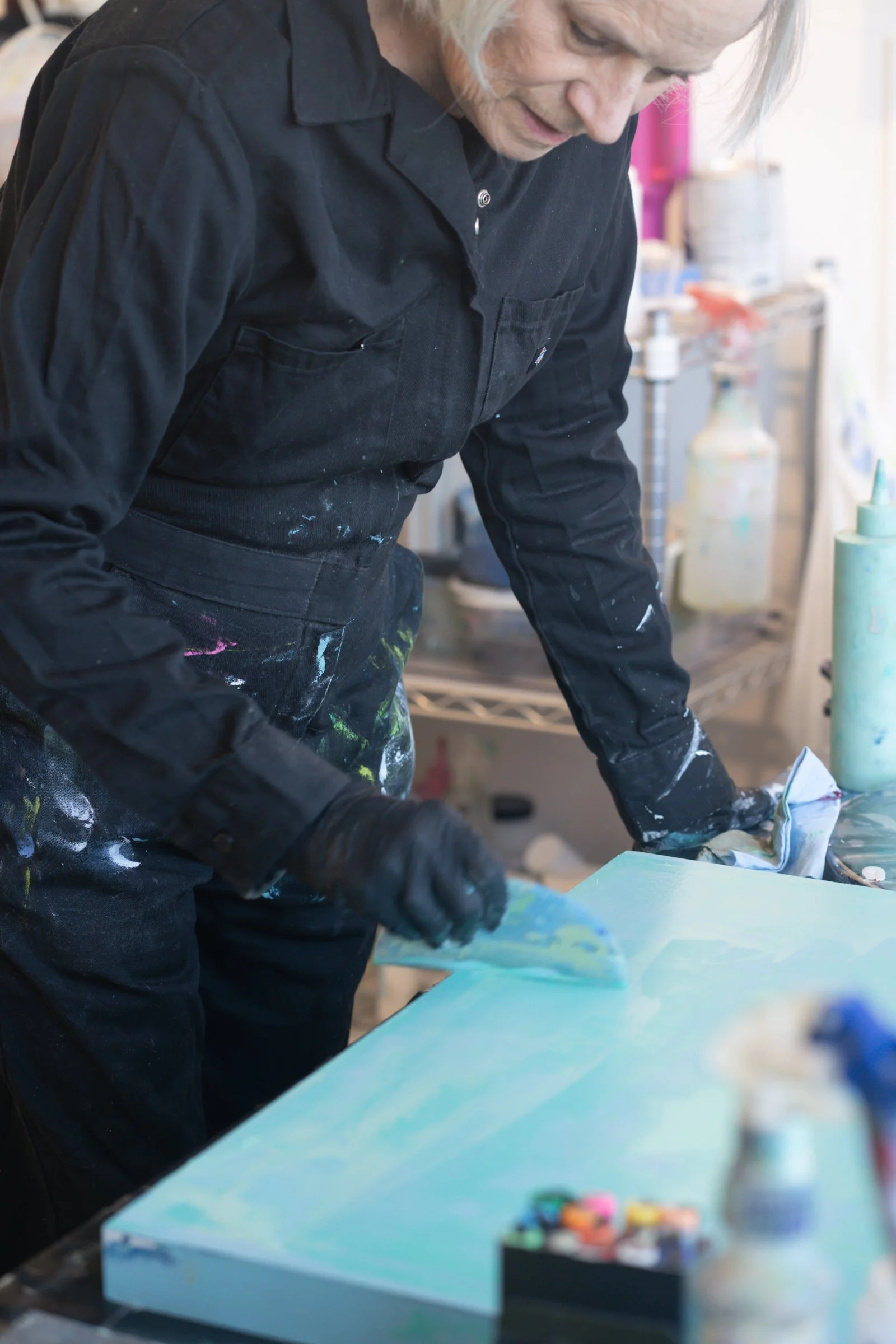
From there, several paintings develop at once. Color is mixed first — this is where the session finds its energy. Then the movement between canvases begins: responding to what each surface is asking for, adding a layer here, pulling back there, letting the rhythm build. When it arrives — and there is always a moment when it arrives — the paintings start making their own decisions.
The job shifts from leading to listening.
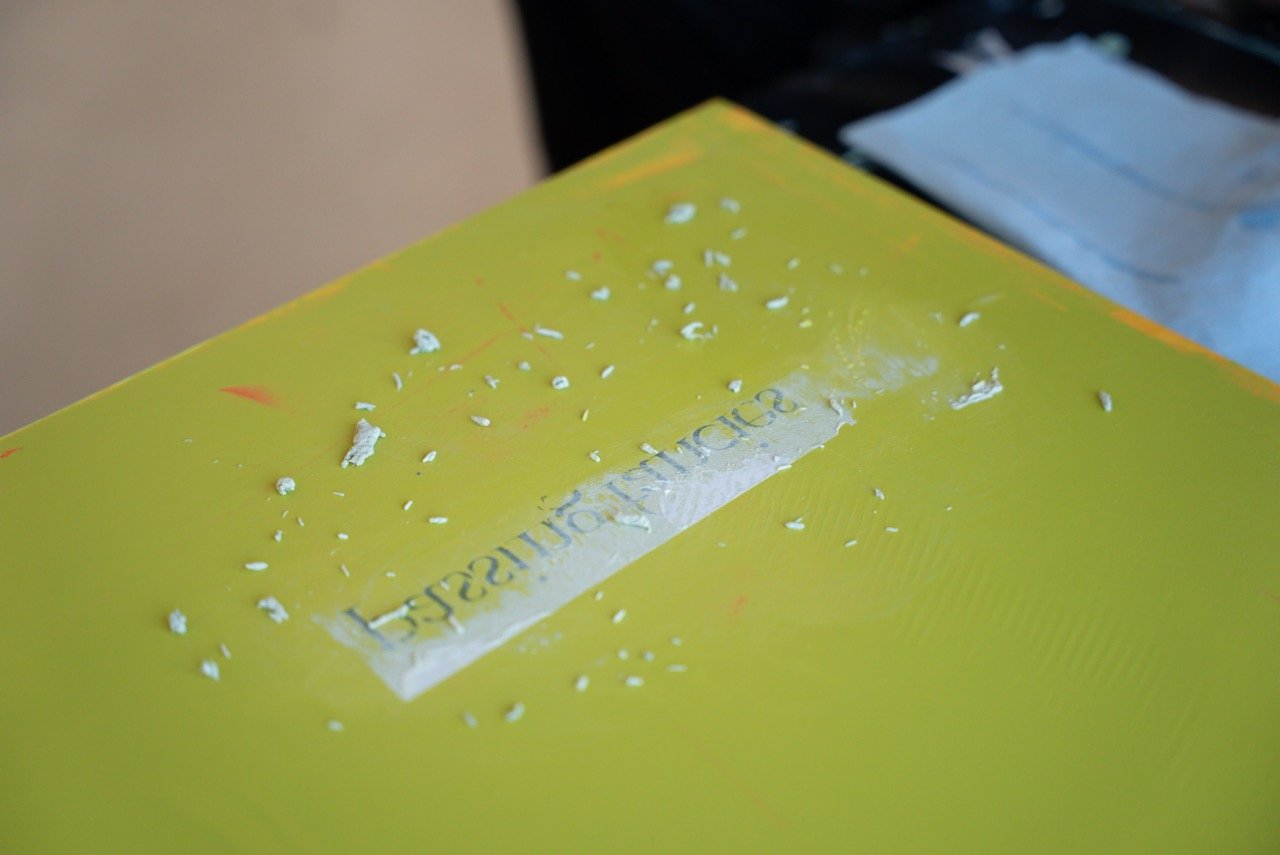
The materials are specific and physical: acrylic paint, gold, silver, and copper leaf, ephemera, oil-based and water-soluble markers and sticks. They are applied in layers across multiple sessions — paint over mark, leaf over pigment, one decision buried beneath the next. What gets covered isn't lost. It stays in the surface, present without being visible, felt by the people who eventually live with the work.